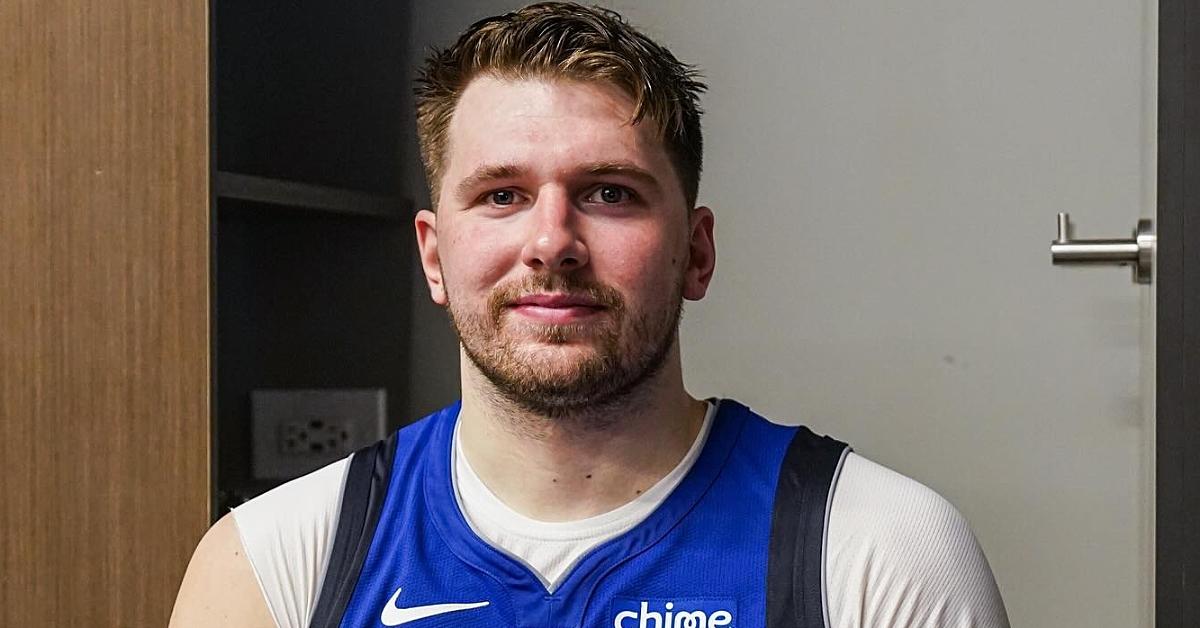
Dončić's Brand Control Fight: Unpacking the Luka Mom Trademark Rift
In the high-stakes world of professional sports, where athletic prowess often intersects with lucrative personal branding, legal disputes can arise from the most unexpected corners. One such headline-grabbing conflict involved NBA superstar Luka Dončić and his own mother, Mirjam Poterbin. While online chatter sometimes frames it as "Luka mom sued him," the reality is a nuanced trademark battle where Dončić initiated legal action to reclaim control over his name and burgeoning brand.
This saga, a rare glimpse into the business complexities that can strain family ties, underscores the critical importance of intellectual property rights for public figures. It's a tale of a young prodigy's ascent, a mother's early management, and the eventual, painful struggle for complete autonomy over one of the most recognizable names in basketball.
The Genesis of the Trademark Conflict
The roots of the Dončić trademark dispute stretch back to 2018, a pivotal year in Luka's career. At just 19 years old, on the cusp of his NBA debut with the Dallas Mavericks, Dončić granted his mother, Mirjam Poterbin, written permission to register "Luka Dončić 7" as a trademark. This registration was successfully completed in the U.S. by January 2020. At the time, such an arrangement might have seemed logical, given his mother's role in managing his early career, particularly after her divorce from Luka's father.
However, as Dončić's star soared – transforming him from a promising rookie into an undisputed NBA MVP candidate and global icon – the value and scope of his personal brand exploded. What began as a supportive family arrangement soon became a potential impediment to his long-term business goals. The initial consent, given years prior, no longer aligned with his evolving needs for comprehensive brand control.
Why Luka Dončić Sought Brand Autonomy
By 2022, Luka Dončić made it clear that full control over his brand was paramount. In a public statement, he emphasized, "I have a lot to look forward to as I continue to grow as a player and a person and it’s important to me to control my own brand and focus on giving back to my communities." This sentiment encapsulates the driving force behind his legal actions. For a global athlete, a personal brand extends far beyond the court; it encompasses endorsements, merchandise, charitable foundations, and future business ventures. Conflicting trademarks, even those held by family, can create significant hurdles.
The existence of the "Luka Dončić 7" trademark, not under his direct control, meant that Dončić faced limitations in fully leveraging his name. He couldn't register new trademarks containing "Luka Dončić" without potential legal challenges or the risk of confusion. This directly impacted his ability to manage his own image, create new branding (like the new logo he unveiled on his Jordan Brand sneakers and apparel, featuring his initials LD, his number 77, and an 'S' for Slovenia), and establish clear legal rights for his various enterprises, including his charitable foundation.
Without clear rights to his own name, Dončić's capacity to engage in new business dealings, protect against unauthorized use, or even plan for his post-playing career brand was severely constrained. This is a common challenge for many public figures who grant broad rights early in their careers without anticipating future growth and the need for independent control. For a deeper dive into the specifics, you can read more at Luka Dončić's Trademark Battle: Why He Sued His Mom.
The Legal Back-and-Forth at the USPTO
Dončić's pursuit of brand autonomy translated into concrete legal steps. He initially attempted to resolve the matter privately, seeking in writing to have his mother’s company relinquish the "Luka Dončić 7" trademark. When these efforts proved unsuccessful, he escalated the issue by petitioning the United States Patent and Trademark Office (USPTO) to cancel the registration.
His primary arguments centered on two key points: he claimed his mother was not actively using the "Luka Dončić 7" trademark in commerce within the United States, and that he no longer associated with it. However, Mirjam Poterbin staunchly defended her position, citing her son's prior written consent to register the trademark. The courts ultimately sided with her, rejecting Dončić's bids to cancel the existing trademark. Furthermore, his attempt to register a variation, "Luka Dončić 77," was also rejected due to the risk of confusion with the existing "Luka Dončić 7" mark.
This outcome highlights the complexities of trademark law, especially when initial consent is involved. Even if circumstances change dramatically, the legal precedent of prior agreement can be difficult to overcome. It underscores the importance of foresight and meticulous legal planning in any branding strategy, particularly for individuals whose fame can skyrocket unexpectedly.
Beyond the Courtroom: A Family Rift's Echoes
While the legal battle played out in courtrooms and before the USPTO, the true cost of this dispute was arguably borne in the personal sphere. It’s not every day that a global sports icon finds himself embroiled in a legal conflict with his own mother. Observers, including those on platforms like Reddit's r/Mavericks, frequently described it as a "painful family rift over business, not malice." This distinction is crucial; it suggests the conflict stemmed from differing business interests and control, rather than animosity.
Mirjam Poterbin had played a significant role in managing Luka's early career, particularly after his parents' divorce, navigating his path as a young talent in European basketball. The transition from family support to independent business management can be fraught with emotion and conflicting expectations. Online chatter in 2022, such as Mirjam Poterbin's Instagram support for Luka from Berlin during EuroBasket, led to speculation about potential reconciliation. However, recent discussions, even in 2026, often conflate this old trademark drama with Dončić's ongoing custody battle with fiancée Anamarija Goltes (over daughters Gabriela and newborn Olivia), but confirm there's been no fresh "Luka Mom Sued" revival concerning the trademark.
The lingering impact of such a public dispute on family dynamics is undeniable, even if direct legal battles have ceased. It serves as a stark reminder that personal relationships, especially within the high-pressure world of celebrity, often face extraordinary challenges when interwoven with business interests. For a deeper understanding of the family and business aspects, refer to Luka Dončić Trademark Saga: Family Business Rift Explained.
Lessons from High-Profile Brand Disputes
The Luka Dončić trademark saga offers valuable insights for athletes, celebrities, and anyone involved in building a personal brand:
- The Imperative of Clear Legal Agreements: From the outset, especially for young talents, comprehensive and unambiguous legal agreements are essential. These should clearly define roles, responsibilities, ownership, and exit strategies for all parties, including family members.
- Independent Legal Counsel: Even when working with family, it's crucial for all involved parties to have independent legal representation. This ensures that individual interests are protected and that agreements are fair and legally sound.
- Understanding Trademark Law: Ignorance of intellectual property law is no defense. A clear understanding of trademark registration, usage, and control is vital for managing a personal brand effectively.
- Anticipating Future Growth: Agreements made at the beginning of a career should ideally include provisions for future growth, potential changes in relationships, and mechanisms for transferring control as a career evolves.
- The Balance of Family and Business: While family support is invaluable, the transition to professional business management often requires clear boundaries and a professional approach to legal and financial matters.
Conclusion
The trademark dispute between Luka Dončić and his mother, Mirjam Poterbin, serves as a compelling case study on the complexities of celebrity branding and family business. While often misunderstood as "Luka mom sued," it was Dončić who sought to gain control over his own name and brand, a fundamental right for any public figure in the modern era. Despite the legal setbacks, the incident brought to light the critical need for robust legal frameworks around personal brands, especially for athletes whose careers can ascend with unprecedented speed.
As Dončić continues to cement his legacy on the court, his brand management off the court will remain a vital aspect of his long-term success. This family rift, while painful, ultimately underscores the universal truth that for a star of his magnitude, controlling one's own identity and brand is not just a business decision, but an essential component of personal and professional autonomy.